The sun spills across the courts at Era Pickleball, turning the surface into a quiet, almost gleaming stage where the ball becomes a prompt and the players respond with a practiced confidence. This is not merely a place to learn the mechanics of a paddle and a game that prizes touch as much as speed. It is a space built around family, around shared progress, around those quiet moments when a child finally lands a shot that their parent can’t help but cheer. The Era Pickleball experience is neither marketing claim nor abstract ideal. It is a lived reality, shaped by coaches who understand that kids learn differently than adults, that beginners need a patient path, and that every family is carrying its own blend of goals, worries, and routines.
In a sport that has grown rapidly from a weekend hobby into a dependable pathway for fitness, camaraderie, and friendly competition, Era Pickleball Academy positions itself as a center built for long-term engagement. The emphasis on family-friendly training is not a marketing hook but a design principle that informs every corner of the facility, every coaching interaction, and every scheduled session. Whether you stumble upon the center through a casual search for a pickleball center or you are drawn by the reputation of a community that treats every learner as someone with potential, the experience tends to feel both practical and personal.
This piece explores what makes Era Pickleball Academy distinctive, how family-friendly training unfolds in real life, and what families can realistically expect when they walk through the courts for the first session. It draws on concrete examples, observed practice, and the kinds of adjustments that arise when training with kids, parents, or siblings who share a paddle but have very different goals.
A human-centered approach to learning
At the core of Era Pickleball is a belief that learning a sport with a social backbone should be accessible, enjoyable, and structured enough to deliver measurable growth. The academy offers more than drills and rounds. It offers a philosophy of coaching that prioritizes clarity, consistency, and safety. In practice, that means coaches begin with fundamental movements and slowly layer in complexity, always calibrating the pace to the learner’s response.
One of the most practical aspects of this approach is the careful alignment of drills to real-world play. Early sessions emphasize grip, stance, and ball tracking, but they seed these foundations with the rhythm of rallying, the tempo of a dink, and the mental note that a well-placed shot can depend as much on anticipation as strength. Coaches frequently describe a session to a family as a story in progress. The narrative arc might move from a parent and child working side by side on a cooperative drill to a later moment when one child applies the same skill in a friendly match against peers.
That storytelling aspect matters in more than sentiment. Children, especially younger players, ingest rules and routines more effectively when they are framed within a narrative, a progression, or a clear set of outcomes. This is not about dumbing things down. It is about building a cognitive map that allows a learner to see what comes next, understand why a particular technique works, and feel the payoff of small improvements that accumulate into real capability. The same logic applies to adults, who gain confidence when progress is visible and measurable, but the family dynamic adds a different layer of motivation. Parents often want to see their child enjoy the sport, stay active, and learn resilience. The academy’s approach seeks to honor that motivation while giving adults a path back into the game.
A space designed for families
Facility design at Era Pickleball Academy reflects the idea that families show up with different energy levels, schedules, and physical concerns. The courts themselves are well maintained, with consistent lighting, clear sightlines, and surfaces chosen for predictable bounce and reduced wear on joints. Surrounding spaces emphasize flexibility: a waiting area that doubles as a small classroom for quick video feedback, a locked storage area for personal equipment, and a snack station that is as much about convenience and habit formation as it is about refreshment.
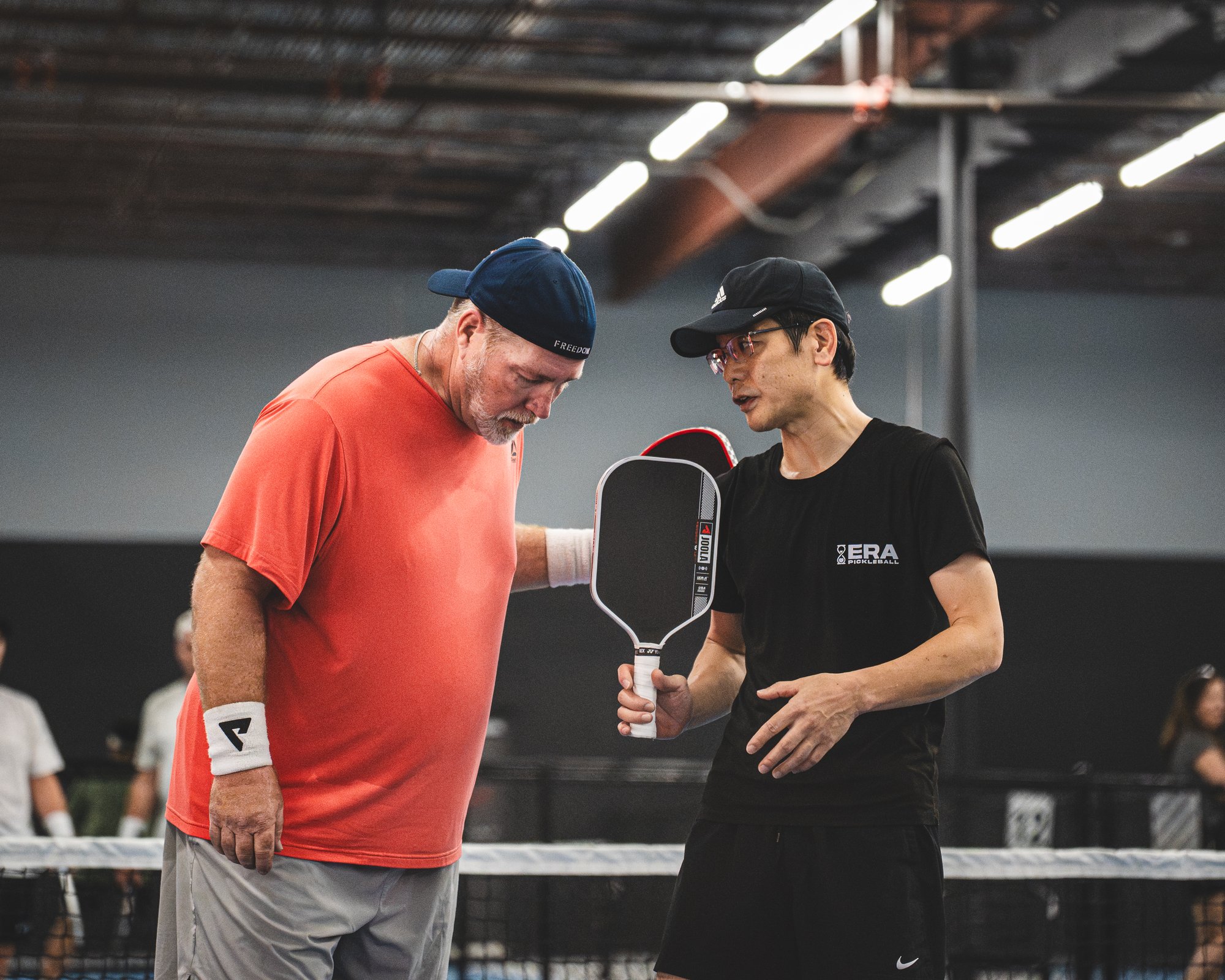
Safety is a central thread in every routine. Wall padding, proper footwear reminders, and age-appropriate equipment all contribute to an environment where players at various stages can practice with confidence. Coaching staff are trained to recognize signs of fatigue or discomfort and adjust intensity accordingly. In family sessions, this often means alternating between high-intensity drills and lower-impact skill work, so both kids and adults can participate without overexertion.
Real-world cadence of a typical session
A standard Era Pickleball Academy block blends instruction with play, but the balance shifts depending on the group. A family with younger children might begin with a short warm-up that includes light cardio, mobility work, and a quick game of throw-and-catch to build hand-eye coordination before stepping onto the court. An older sibling pair, or adults rekindling their love for the sport, may begin with a quick review of grip and stance, followed by targeted drills that focus on consistency in the kitchen or at the net.
Within the middle portion of the session, there is usually a deliberate shift toward controlled rallying. Players rotate through stations that focus on specific skills: drop shots from the kitchen, third-shot drives, and unpredictable returns that reward anticipation. Coaches encourage families to watch, listen, and reflect. A short debrief often follows a set of drills, with an emphasis on language that learners can carry forward into their practice on their own. The closing segment typically taps into the competitive but cooperative spirit that pickleball embodies. Short, friendly matches or structured point play provide a practical test bed for new skills and a moment to celebrate growth, even when a shot falls just short or sails wide.
The beauty of the method lies in its transferability. A dropped ball drill that feels technical in a vacuum suddenly makes sense when a family transitions to live play, where pressure and uncertainty shift the dynamics. Learners learn not only how to execute a technique but when to apply it, a nuance that separates a good player from a strong one. In a family context, that distinction has a gravitational pull: it becomes a shared experience. Parents begin to see their children apply patience, turn frustration into focus, and use the court as a place to practice resilience. Kids, in turn, gain the satisfaction of meaningful contribution to the team, even when the scoreboard does not tilt in their favor.
Programs that respect a busy life
Era Pickleball Academy has learned that families rarely operate on uninterrupted blocks of free time. Between school, work, extracurriculars, and the occasional family trip, there is rarely a window that fits an hour and a half of training at peak energy. To accommodate this reality, the academy offers flexible scheduling, including shorter, high-intensity sessions on certain days and longer, more relaxed sessions when the calendar allows. The approach fosters consistency without creating a productivity squeeze that can backfire on motivation.
Another practical feature is a tiered coaching model. For new players and children, sessions are led by coaches who excel at communication and motivation, using gentle corrections and positive reinforcement to build confidence. As players progress, they may transition to more technique-focused coaching or small-group clinics that emphasize tactical decision-making and shot selection. This structure rewards commitment with a clear ladder of advancement while preserving accessibility for families just starting out.
Two lists of practical takeaways for families
- What to expect in your first few visits: a warm welcome from staff, an assessment of baseline skills, a simple set of goals tailored to each player, and a plan for incremental progress. The early sessions emphasize comfort, safety, and a clear, approachable path into more complex drills. How to maximize a family session: schedule regular blocks that align with school and work rhythms, arrive a few minutes early to set up equipment, participate in a balance of drills and live play, and invite feedback from a coach after each session. The approach is collaborative, not corrective by default, which helps families stay invested even when progress feels incremental.
Two lists are strictly limited per the guidelines, and these two bullets capture practical anchors era courts without turning the article into a checklist. If you need more detail, the day-to-day experience at Era Pickleball Academy reveals itself in the quiet moments: a child asking for a little extra practice on the dink, a parent adjusting a grip that has become a habit over years of other sports, a sibling cheering on an improved volley with a genuine smile.
What families tell me matters most
From conversations with families who have made this place part of their weekly rhythm, a few patterns emerge. The first is relief. Many report that their children finally have a venue where skill development is paired with social warmth, where coaching is consistent and kind, and where mistakes are treated as a natural part of learning rather than evidence of failure. Second, families speak of increased physical literacy. Their kids develop better balance, hand-eye coordination, and spatial awareness, even in the middle of a fast game. Third, there is a noticeable boost in communication. On the court, players learn to call shots, to apologize when they miss, and to celebrate a teammate's successful rally. Outside the court, parents find themselves coaching in new ways, offering encouragement that feels specific and constructive rather than generic praise.
These reflections matter because they anchor the academy in lived experience rather than abstract philosophy. They are the kind of insights you notice when you spend time watching a Saturday morning session unfold, when a teenager corrects a younger player’s stance with a calm and respectful tone, or when a parent realizes their own posture has changed after several weeks of regular attendance. It is this synthesis of skill growth, social learning, and personal change that makes Era Pickleball Academy feel like more than a training center. It is a community that grows at the pace of its players, with coaching that remains anchored in practical, real-world needs.
The family-friendly standard and its limits
No single approach fits every family. Some households seek a highly structured environment, while others prefer a lighter touch that still respects the integrity of the sport. Era Pickleball Academy has responded to both impulses by maintaining a core set of routines that remain constant while offering flexible options around scheduling, group sizes, and progression goals. The result is a center that can welcome those with no prior exposure to pickleball and those who come with some experience, each finding a path that respects their starting point and their future trajectory.
There are edge cases worth naming. A family with a child who has a sensory processing difference, for instance, may require adjustments to the pace of a session or the amount of verbal feedback. Staff at Era Pickleball are trained to recognize and accommodate such needs, ensuring that inclusion does not come at the expense of other players or the overall flow of the session. For athletes transitioning from other racket sports, the initial weeks may feel like a re-education in movement. The academy embraces these moments, converting potential friction into a bridge that connects prior skill with the unique demands of pickleball.
Another edge scenario arises when a family schedules back-to-back sessions with different goals. One session might be about building consistency in serves, the next about tactical awareness and shot selection. The coaches respond by carefully pacing the progression so that the cognitive load remains manageable. This is not a simple trick of scheduling. It is a deliberate design choice rooted in the recognition that every family carries its own tempo, that fatigue is real, and that learning thrives when the body and mind are ready for the next challenge.
A practical note on equipment and facility use
For a family stepping into the world of pickleball, the array of paddles, grips, and shoes can be daunting. Era Pickleball Academy demystifies the setup by stocking equipment that covers a wide range of players, from curious beginners to nearing-competent juniors who want to test a different paddle. Coaches guide families through the selection process, explaining how paddle weight, grip circumference, and paddle balance influence control and comfort. The goal is not to overwhelm but to empower families to make informed, comfortable choices that improve participation and reduce friction during practice.
The center also offers paddle court rental and convenient access to a predictable playing surface. For many families, this is less about affordability and more about the discipline of consistent practice. It is one thing to own a paddle and know the basics, and another to arrange a regular time with the same court conditions and the same level of coaching. The difference shows up in improved timing, better shot selection, and greater willingness to push through the tougher drills because the environment supports steady, reliable progress.
A broader community through connection and momentum
Beyond the court, Era Pickleball Academy cultivates a sense of belonging that extends into the surrounding community. The center hosts informal clinics, social rounds, and family days that help families meet others who share a similar passion for the sport. These events provide a natural incentive to return, turning practice into an ongoing social practice as well as a physical one. The approach is not just about getting better at a game; it is about weaving a daily life that makes room for movement, conversation, and shared ambition.
The center’s online presence mirrors this spirit. The erapickleball.com ecosystem offers resources, scheduling updates, and program highlights that help families stay aligned with their goals. While the website serves as a practical hub for logistics, it also reflects the human side of the academy. Coaches share glimpses of training philosophies, and families who participate in program offerings occasionally contribute their own small stories about breakthroughs—moments that remind everyone why they show up, week after week, season after season.
Where practice meets purpose
In a sport that can look simply like a rapid-fire exchange of balls, there is often a deeper purpose at work. For many families, pickleball becomes a framework for teaching values that endure beyond the court: patience, discipline, teamwork, and a sense of fair play. The Era Pickleball Academy environment supports these outcomes by embedding them into the daily routine. Coaches model respectful communication, offer constructive feedback, and celebrate effort as much as achievement. In a world that sometimes overvalues fast results, this approach provides a counterbalance that can stabilize motivation and sustain effort over long periods.
To understand why this model endures, consider the small rituals that accumulate into a robust practice habit. A child might arrive with nerves about a new drill, then receive a few kind words, a precise cue, and a moment to rebuild confidence. A parent might notice their own posture improve after a few weeks of consistent sessions, a sign that the practice of focused, repeated movement is transforming more than muscles alone. An older sibling, who once treated practice as a chore, discovers that the work pays off in smoother rallying and a heightened sense of control in high-pressure moments. These shifts are not flashy; they are the quiet, steady reveals that make family training genuinely sustainable.
The case for choosing Era Pickleball Academy
Families weigh many factors when selecting a training venue. The decision often rests on a balance of access, approach, and atmosphere. Era Pickleball Academy stands out in several practical ways. First, it treats training as a family affair rather than a one-size-fits-no-one program. The coaching team recognizes that every member of a household approaches the sport with a distinct schedule, energy profile, and aspiration. Second, the training philosophy emphasizes a gentle but firm progression. Beginners are introduced to core skills with clarity, and advanced players find opportunities to tighten technique and sharpen tactical sense. Third, the center fosters a sense of continuity. Regular sessions, consistent coaching, and a community mindset help families maintain momentum through changing seasons and evolving commitments.
A brief window into the economics of participation is worthwhile, too. For many families, the value isn’t only in coaching quality, but in predictable costs and flexible options. By offering a range of session lengths, group sizes, and membership structures, Era Pickleball Academy avoids price cliffs that can derail a family’s plan for consistent practice. The presence of court rental options provides an additional layer of adaptability for families who want to experiment with scheduling or who need to slot in shorter, bite-sized practice blocks between other commitments. The result is an experience that can scale with a family’s needs rather than forcing them into a rigid, expensive package.
Sowing seeds for future play
A long view matters in a sport that rewards practice and patience. For families who start early and maintain involvement, the payoff is not limited to wins on the scoreboard. The instrument of play becomes a vehicle for social confidence, physical health, strategic thinking, and a grounded sense of personal progress. The Era Pickleball Academy environment encourages curiosity rather than rugged competitiveness, inviting young players to explore different shot types, experiment with court positioning, and learn how to recover quickly after a misstep. The adults in the family learn alongside the younger players, absorbing best practices for coaching, encouraging, and modeling healthy competition.
In practice, this means that a family session can evolve from a training block into a collaborative planning moment. Parents and children can sit together with a coach to map out a few weeks of practice at home, using the same language and cues that dominated the session. The bridge from court to living room becomes a practical tool for reinforcing behaviors and keeping motivation high during periods when life gets busy. When families carry this through, the sport ceases to be a mere hobby and becomes a shared discipline that brings them closer without demanding a sacrifice in other valued activities.
A final reflection on the value of a family-friendly center
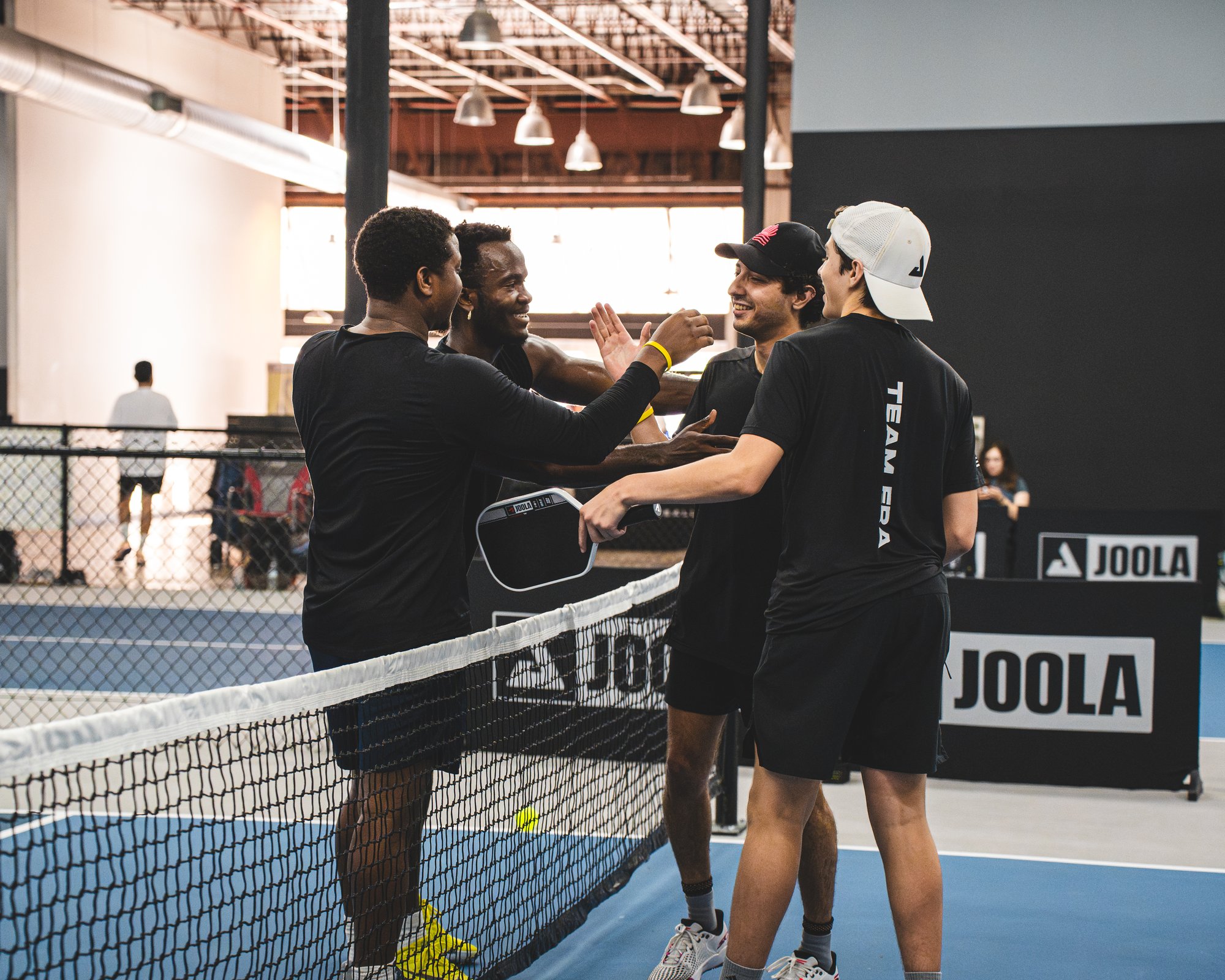
Era Pickleball Academy offers more than a place to learn. It offers a cadence for families who want to stay connected through an activity that is accessible for all ages, scalable in difficulty, and inherently social. The court becomes a space where a child learns to measure effort against improvement, where a parent learns to translate feedback into constructive action, and where siblings discover the simple joy of a game played together. It is this integration of skill, relationship, and routine that makes Era Pickleball more than a training program. It is a culture that respects family time, invites participation, and rewards consistency with tangible growth.
If you are weighing options for your family, consider what kind of rhythm you hope to establish. Do you want a weekly anchor that becomes a ritual, a place where every member has a stake, and a mechanism for staying active through all seasons? If your answer leans toward yes, Era Pickleball Academy might be the ideal fit. The center’s approach is anchored in practical outcomes, but it is the human dimension—the staff’s attention to detail, the patience of the coaching, the warmth of the community—that often makes the difference between a temporary hobby and a lasting habit.
For those curious about the practicalities of joining, the process is straightforward enough to fit into a busy family calendar. Prospective families can consult the erapickleball.com site for information on class schedules, court rentals, and the range of programs available. The philosophy behind the academy is not hidden behind jargon. It is expressed in the way sessions unfold, in the clarity of coaching cues, and in the moments when a family realizes they can celebrate a small victory together on the court. In the end, the value of family-friendly training is not measured in trophies earned or ranking points achieved. It lies in the steady, shared experience of showing up, learning, supporting one another, and growing together in a sport that is as much about connection as it is about movement.